
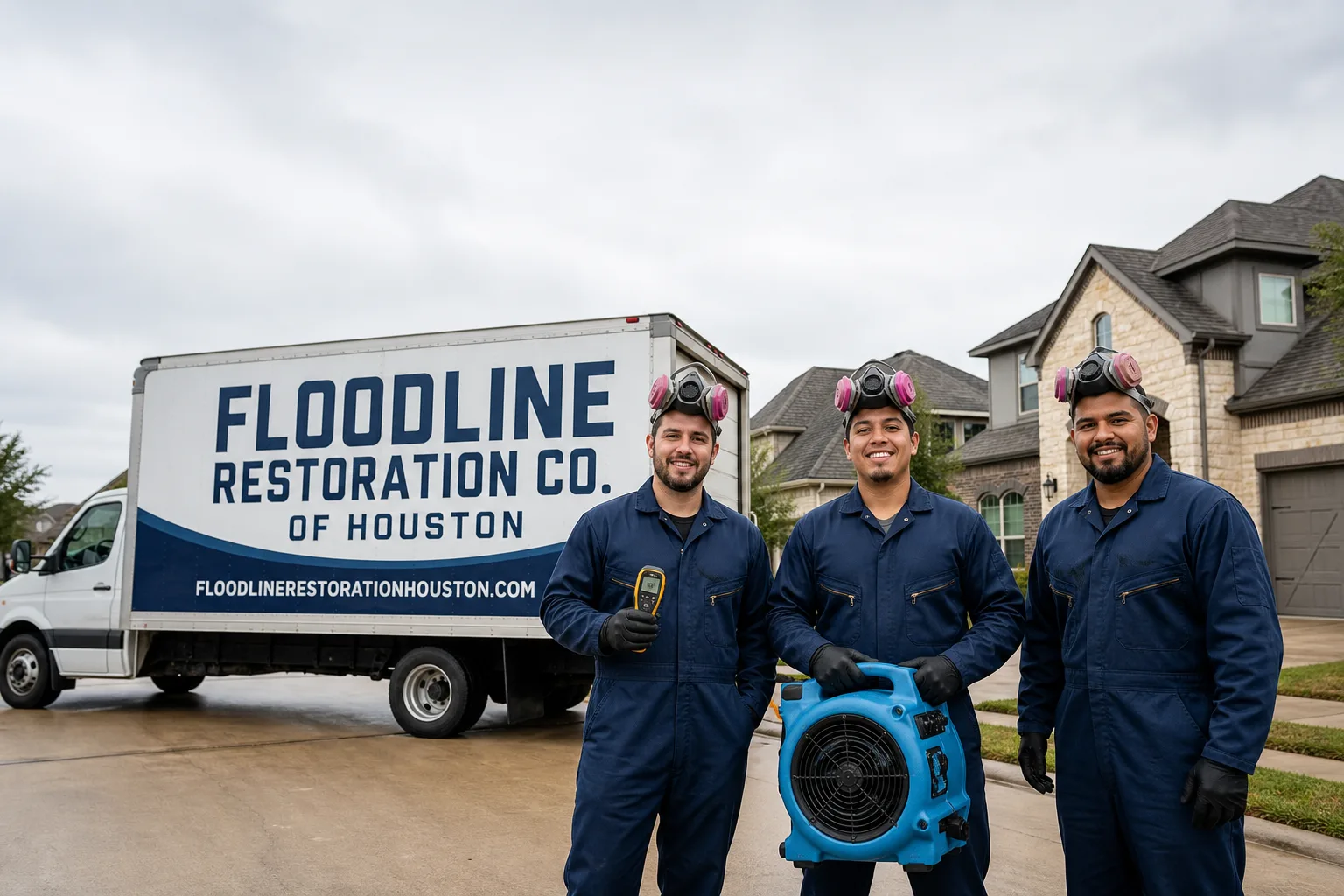
Fast, Reliable Storm & Disaster Restoration Across Highlands
When a storm hits Highlands, the damage doesn’t wait, and neither do we. Our crews reach Highlands homes quickly, usually the same day you call, because we dispatch from a hub located right here in the Houston metro area, serving the 77562 zip code and surrounding San Jacinto River communities without a long drive in. Storm damage in Highlands is rarely simple: river flooding, wind-driven debris, and the slow-draining floodplain all create compounding problems that our Water Damage Restoration in Highlands is built to handle. We will. Call (888) 977-4690 and a live dispatcher answers, 24/7, not a recording.
Storm & Disaster Restoration in Highlands: What It Actually Costs
Storm and disaster restoration in Highlands typically costs $2,800-$12,500 depending on the scale of the damage and whether the water involved was river-sourced floodwater or cleaner storm runoff. A straightforward roof tarp following wind damage on a 1,400-square-foot Highlands home runs $350-$700. Emergency board-up on broken windows or a damaged door runs $250-$650. Full flood damage restoration, including Biohazard & Crime Scene Cleanup in Highlands for hazmat-level decontamination, structural drying, and debris removal beneath a pier-and-beam home, runs $4,000-$12,000. The range exists because a flooded living room over a slab is different from floodwater that sat in a crawlspace for five days. Here is what you should expect to see in a written estimate:
- Emergency board-up and roof tarping: $250-$700 (same-day, weather-secure)
- Storm debris removal from property: $300-$1,200 depending on volume and access
- Flood water extraction and Category 3 decontamination: $2,000-$6,500 (hazmat protocols included)
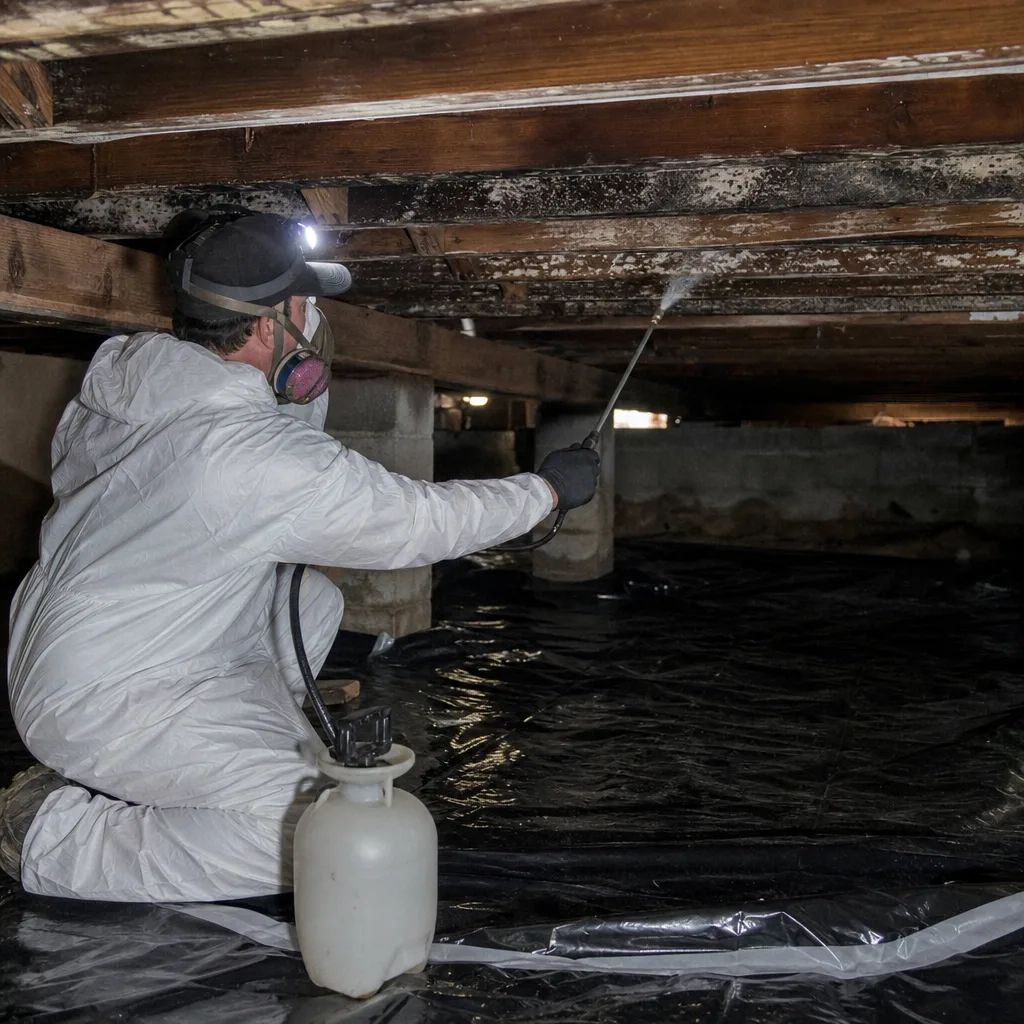
- Structural drying with moisture-logged crawlspace remediation: $1,500-$4,500 (Dri-Eaz desiccants, daily readings)
- Full wind damage repair to roofing, siding, or framing: $2,500-$9,000
These numbers reflect what we see across Highlands’s working-class housing stock, where pier-and-beam foundations and 1950s-to-1970s construction combine with floodplain conditions to make restoration more involved than a dry inland home. Call (888) 977-4690 for a free written estimate, always agreed to before work begins.
Why Floodline Restoration Co. of Houston Is Highlands’s Preferred Storm & Disaster Restoration Company
Highlands homeowners call us because we know what the San Jacinto River does when it overtops, and we don’t pretend otherwise. Our crews are familiar with the 77562 zip code, from the older neighborhoods south of Wallisville Road to the residential streets that run toward the river’s east bank. We have walked pier-and-beam crawlspaces on Luling Street and pulled saturated insulation from homes near Highlands Elementary. That kind of street-level knowledge matters when floodwater behaves differently than it does in Houston proper.
Every technician who arrives is background-checked, uniformed, and certified to IICRC, RIA, and IFA standards. The same crew that reads the moisture map on day one does the daily readings until the dry standard is met, and that crew hands the moisture log to you and your carrier. No mid-job handoff, no inherited strangers in your home. Curt Bowman, who founded Floodline Restoration Co. in 2010, built this company around a dispatch board and a simple promise: answer the phone with a person, get there when we say, and stand behind every job in writing. That is the Storm & Disaster Restoration approach that has built our reputation across the Houston metro, and it is why Highlands homeowners call us back for the next storm.
Key Takeaways:
- We respond to Highlands homes same-day, often within hours, with live dispatch 24/7
- Every job is backed by the 90-Day Done Right Promise, a written no-argument guarantee
- Crews are IICRC, RIA, and IFA certified and trained for San Jacinto River floodplain conditions
- Direct insurance billing with photo documentation and adjuster coordination on every claim
Our Storm & Disaster Restoration Services in Highlands
Highlands homes get hit differently than those inland. River flooding, wind-driven rain, and debris carried by the San Jacinto all demand restoration approaches built for this specific floodplain. These are the four services we perform most often across Storm & Disaster Restoration in Highlands.
Flood Damage Restoration
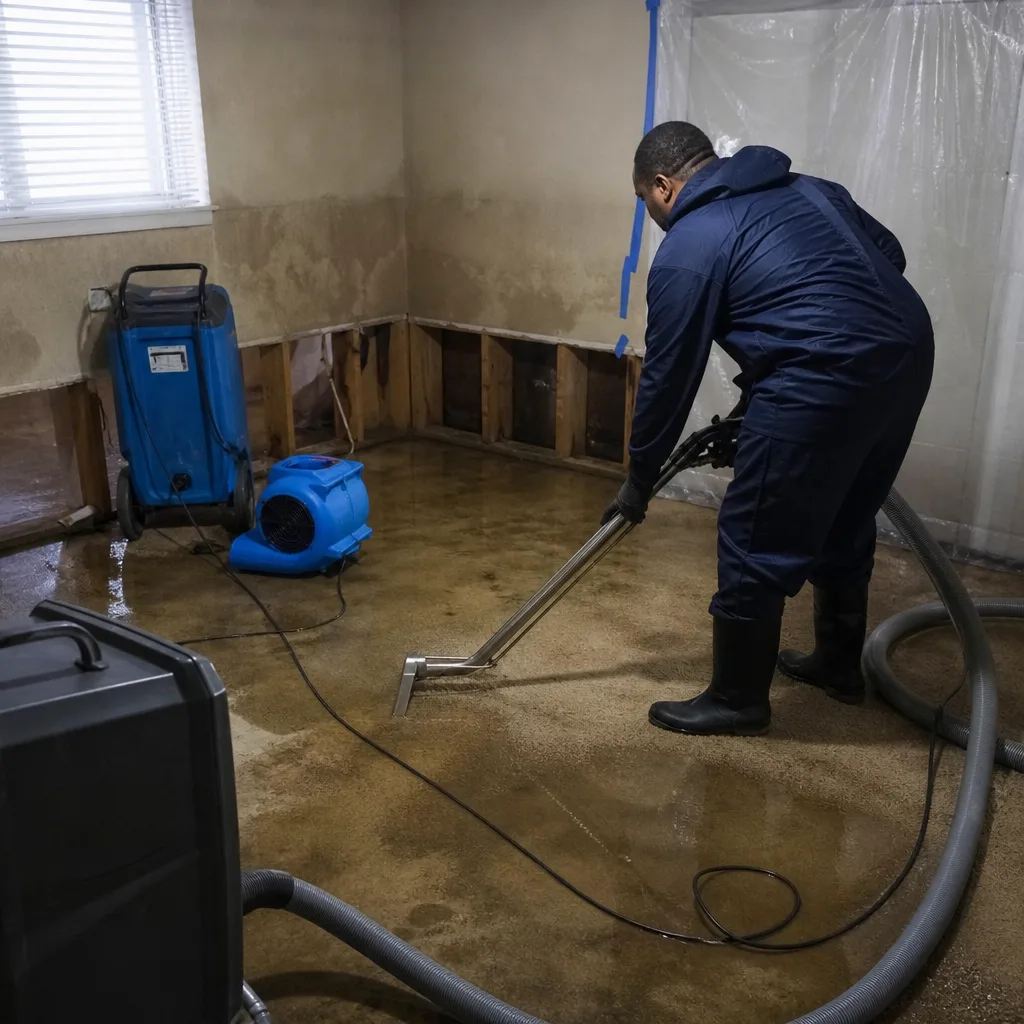
Floodwater from the San Jacinto River in Highlands is not clean water. Because of the river’s proximity to the EPA Superfund San Jacinto River Waste Pits, we treat virtually every river-sourced flood event as Category 3 black water, requiring hazmat-level decontamination before any structural drying begins. That means full personal protective equipment, antimicrobial application, and controlled demolition of saturated materials per IICRC S500 standards. We do not cut corners here, because a Highlands home that gets flooded once has usually been flooded before, and hidden moisture from a previous event becomes a hidden mold reservoir in the next one.
Storm Damage Cleanup
After a Gulf storm pushes through Highlands, the damage is often more than water: wind-driven debris, broken window glass, downed limbs, and shredded roofing material scattered across pier-and-beam yards. Our teams provide Reconstruction & Cleanup - Highlands homeowners can count on: we clear the property, secure the envelope, and separate what can dry from what must go. The flat coastal plain does not help: floodwaters recede slowly here, so every hour of delay means deeper saturation. We clean fast and document everything for your carrier.
Emergency Board-Up
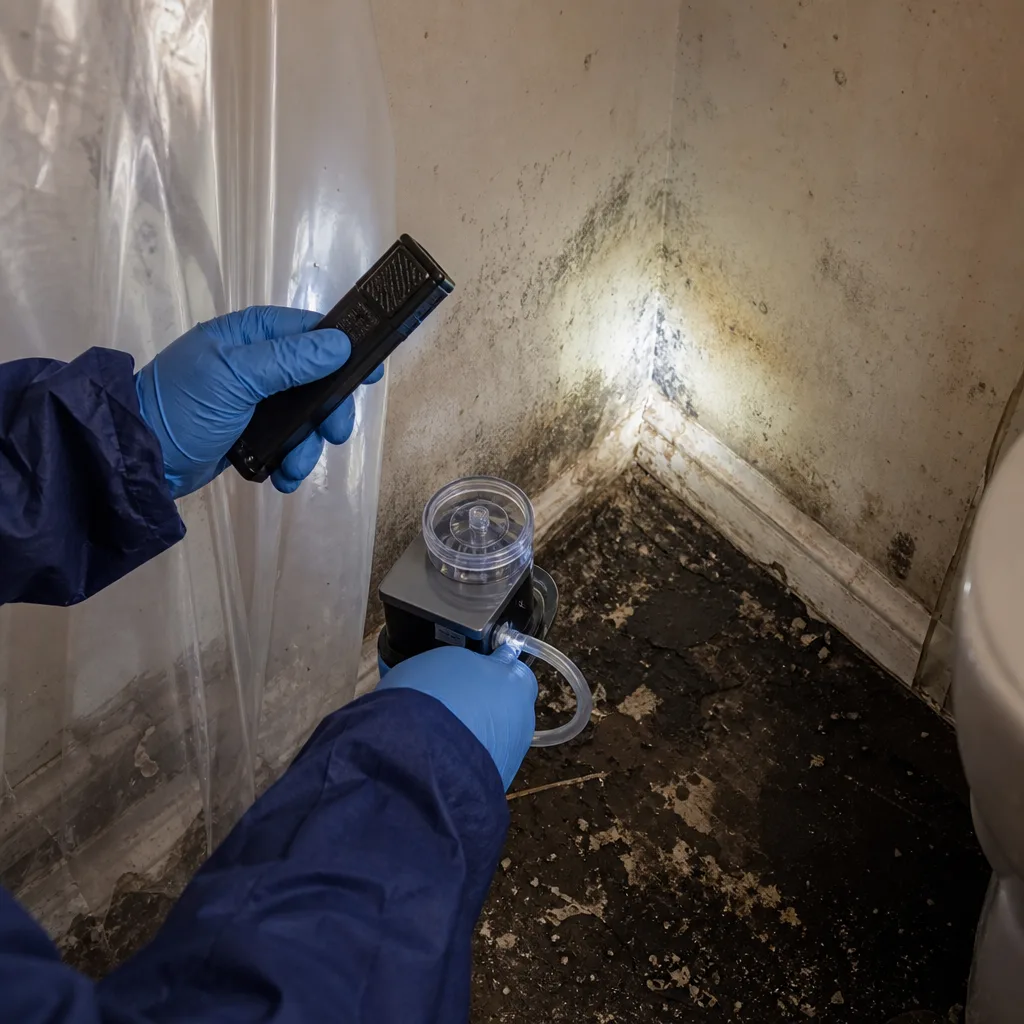
When wind takes out a window or a door on a Highlands home, the first risk is not just weather: it is the next storm cell that rolls in off the Gulf. We board up broken openings same-day with weather-secure materials, and we photo-document every panel before, during, and after for your adjuster. If the damage happened at 2 a.m., a live dispatcher answers at 2 a.m. and a crew is on the way.
Roof Tarping
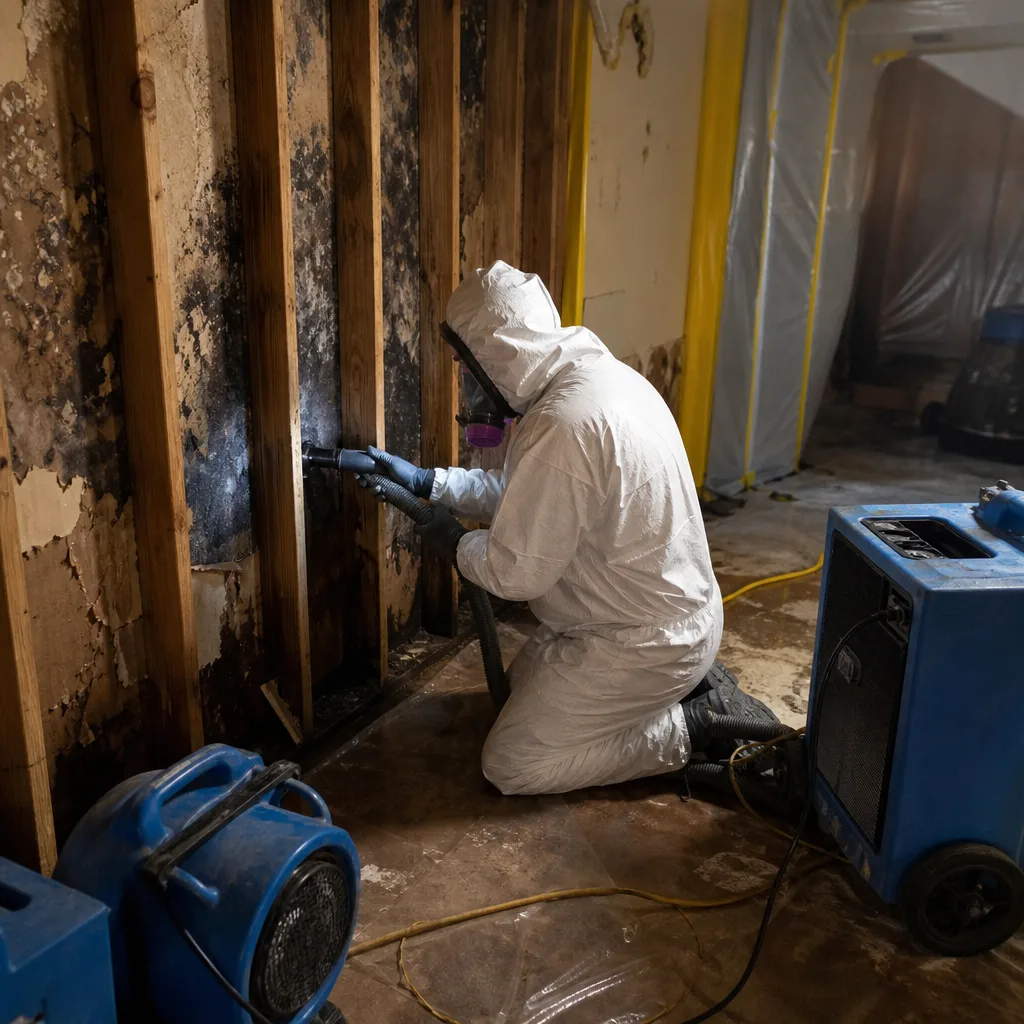
A wind-damaged roof on a 1960s Highlands home rarely fails in one dramatic moment. Shingles lift, water seeps under the felt, and by the time you see a ceiling stain, the decking has been wet for days. We install temporary roof tarps the same day to stop active intrusion, then assess whether the decking needs spot repair or full replacement. The goal is to keep your house dry until permanent roofing work is scoped and approved in writing.
What happens when you call
- 1
A real person answersNo phone trees - you reach a local pro.
- 2
You get an upfront price rangeHonest numbers before anyone is dispatched.
- 3
A background-checked tech heads outLicensed & insured, dispatched right away.
- 4
You approve before work beginsNothing starts until you say go.
Trusted Brands We Service in Highlands
Highlands’s older housing stock means we service a range of damage conditions, from original 1960s framing to newer repair layers installed after previous floods. Our crews work with Injectidry systems for hard-to-reach cavities and Dri-Eaz desiccants for structural drying under pier-and-beam homes, and we follow IICRC standards on every job. We stock parts and materials locally for Highlands customers, so emergency board-up and tarping are ready when you need them, not ordered after the fact. If your home has been through repeat flood cycles, the equipment and protocols matter more, and we bring both.
Common Storm & Disaster Restoration Problems We See in Highlands Homes
- Slow-receding floodwater saturating walls for a week or more. The San Jacinto’s wide, low-gradient floodplain means water lingers, and mold colonizes within 24 to 48 hours of intrusion. By the time water finally drains, the damage is structural, not cosmetic.
- Pier-and-beam crawlspaces trapping debris and moisture. Floodwater carries silt, leaves, and worse underneath the house. If that crawlspace is not fully cleared and dried, subfloor framing rots from below even when interior walls look dry.
- Asbestos-containing materials hiding behind flood-damaged surfaces. Many Highlands homes built from the 1950s through the 1970s have original pipe insulation, floor tiles, or mastic containing asbestos. Skipping abatement before tear-out releases fibers and contaminates the entire site.
- Previously ‘remediated’ walls concealing original saturated framing. Highlands has a large share of homes on FEMA’s repetitive-loss list. We regularly find closed-cell spray foam or mold-resistant drywall sitting directly against 1960s framing that was never fully dried from an earlier flood, creating hidden mold reservoirs inside walls that looked fixed.
Pricing for Storm & Disaster Restoration in Highlands, TX
Storm and disaster restoration pricing in Highlands runs higher than inland Houston because the work is more involved. A Category 3 flood event here includes hazmat decontamination that a standard gray-water cleanup in a neighboring community would not require. Emergency board-up runs $250-$650; roof tarping $350-$700; full flood damage restoration with crawlspace remediation typically runs $4,000-$12,000. What moves the number is the age of the home, whether asbestos abatement is triggered, and how long water sat before extraction started. We provide a written scope and price before any work begins, and we bill your carrier directly so you never play messenger. Call (888) 977-4690 for a free estimate, always with no obligation.
We Also Serve Cities Near Highlands
Floodline Restoration Co. of Houston responds to storm and disaster calls throughout the San Jacinto corridor. Our crews regularly serve Highlands and the surrounding communities of Channelview, Baytown, Mont Belvieu, and Cloverleaf. If you live just outside the 77562 zip code, call (888) 977-4690 and we will get a crew to you just as fast.
Serving Highlands, TX - Our Local Coverage Area
We’re based in the Highlands area and know this community well. Use the map below to see our service coverage - if you’re nearby, we can almost certainly help.
FAQs - Storm & Disaster Restoration in Highlands
Yes. Because of the San Jacinto River’s proximity to the EPA Superfund San Jacinto River Waste Pits, virtually every river-sourced flood event in Highlands is treated as Category 3 black water requiring hazmat-level decontamination under IICRC S500 protocols. This is not optional caution; it is the standard a responsible restoration company follows when industrial contaminants may be present in floodwater entering homes. Call (888) 977-4690 if you have standing river water in your home, and we will begin Category 3 procedures from the first visit.
Homes on FEMA’s repetitive-loss list, common in Highlands, often conceal layered remediation history where newer materials sit against original framing that was never fully dried. We check for hidden moisture reservoirs inside walls that look ‘already remediated’ and dry the entire assembly, not just the visible surface. This is slower work, but it is what prevents recurring mold and rot. Call (888) 977-4690 for a moisture assessment after any flood event, even if a previous company did work.
Yes. Pier-and-beam crawlspaces in Highlands trap debris, silt, and moisture beneath the home, and floodwater that sits there for days rots subfloor framing from below. We clear the crawlspace, remove saturated debris, treat for contaminants, and run daily moisture readings until the dry standard is met. Skipping this step is why some Highlands homes develop musty odors and floor softness months after a flood. Call (888) 977-4690 and ask about our crawlspace drying protocol.
Many Highlands homes built from the 1950s through the 1970s contain asbestos in pipe insulation, floor tiles, or mastic that gets exposed during flood tear-out. We identify suspect materials before demolition begins and follow required abatement procedures, which prevents fiber release and site contamination. This is a standard part of flood restoration on older Highlands housing stock, and we coordinate directly with your carrier on the scope. Call (888) 977-4690 for a pre-tear-out assessment.
Because floodwaters in Highlands recede slowly across the flat San Jacinto floodplain, homes stay saturated for a week or more in high heat and humidity, which accelerates mold colonization. The 24-to-48-hour window before mold takes hold closes fast here, and by the time water drains, hidden mold is already growing inside wall cavities. Our crews prioritize Highlands calls and begin extraction and drying the same visit. Call (888) 977-4690 immediately after water intrusion to stop mold before it starts.
Written by Curt Bowman, Owner at Floodline Restoration Co. of Houston, serving Highlands and the San Jacinto River corridor since 2010.